
Global Supply Chain Security and Management: Appraising Programs, Preventing Crimes
$ 52.17
Add to Wishlist
Add to Wishlist
DescriptionGlobal Supply Chain Security and Management: Appraising Programs, Preventing Crimes examines the relationship between securing a supply chain and promoting more efficient worldwide trade. Historically, the primary goal of supply chain security was guarding against theft and damage. Today, supply chains are also on the frontlines in the fight against terrorism.This book showcases industry leaders and their best practices, also exploring how the government is both a policing organization and a supply chain partner. In addition, it covers the critical roles that various technologies play, focusing on how Big Data is collected and turned into knowledge.By using the tools provided, readers will gain a stronger understanding of the challenges and opportunities faced by any organization that imports or exports products.Key FeaturesOutlines the latest technologies being used to secure infrastructuresLeverages game theory to express the strategic interactions of government and businessCovers the latest U.S. regulations and provides analytical tools to help make sense of these regulationsIncorporates the latest theories and techniques of industrial organization, economics, and securityReadershipSupply chain practitioners, students of supply chain management, and supply chain government officialsTable of ContentsChapter 1. IntroductionGlobal Supply Chain ManagementThe Impact of Global Supply ChainsIntroducing the PlayersIssues and Problems Going ForwardChapter 2. The Economics of Supply Chain SecurityBasic Economics for Supply Chain AnalysisIndustrial OrganizationGame TheoryIssues and Problems Going ForwardChapter 3. Threats to Supply ChainsHuman ThreatsNatural ThreatsIssues and Problems Going ForwardChapter 4. The Role of GovernmentSupply Chain Security ProgramsThe Domestic ContextThe International ContextDisaster Relief ProgramsDo the Programs Work?Issues and Problems Going ForwardChapter 5. The Role of Information TechnologyFrom Data to WisdomCybersecurityLinking, Tracking, and Sensing TechnologyThe Big Data ChallengeIssues and Problems Going ForwardChapter 6. The Business and Government InterfaceThe Goals of BusinessThe Goals of GovernmentPublic-Private PartnershipsIssues and Problems Going ForwardChapter 7. Trade Efficiency and Security: Are They a Trade-off?Supply Chain RegulationThe Security-Efficiency Trade-offThe Economics of Supply Chain Security RegulationIssues and Problems Going ForwardChapter 8. Mitigating Risk and Measuring SuccessComplexity and Risk in the Supply ChainMeasuring SuccessIssues and Problems Going ForwardChapter 9. The Future of Supply Chain SecurityNowhere to HideGoals Desired and Goals MissedGlobalizationConclusionsAppendix: Some Useful Concepts and Analytical ToolsAuthor BiographyDarren Prokop, Ph.D. is a professor of logistics in the College of Business & Public Policy at the University of Alaska, Anchorage. He is also the director of the Master of Science in Global Supply Chain Management Program. He received his Ph.D. in Economics from the University of Manitoba in 1999.Dr. Prokop specializes in transportation economics and its effects on international trade and supply chain security. He is also engaged in research examining the role of government policy as related to transportation, infrastructure provision, and non-tariff trade barriers. Dr. Prokop’s Alaska-based research and publications involve air cargo logistics and port development. In addition to publishing his research in academic journals and trade magazines, Dr. Prokop is an active consultant to government and business.Dr. Prokop’s nearly 20-year academic career is also complemented by work in the manufacturing industry and in government as a policy economist.Affiliations and Expertise Professor of logistics and director of the Master of Science in Global Supply Chain Management program, University of Alaska, Anchorage, AK, USA
You may also like…

Related products
-

Modern Office Management & Commercial Correspondence
$ 2.41 -
 Sold Out!
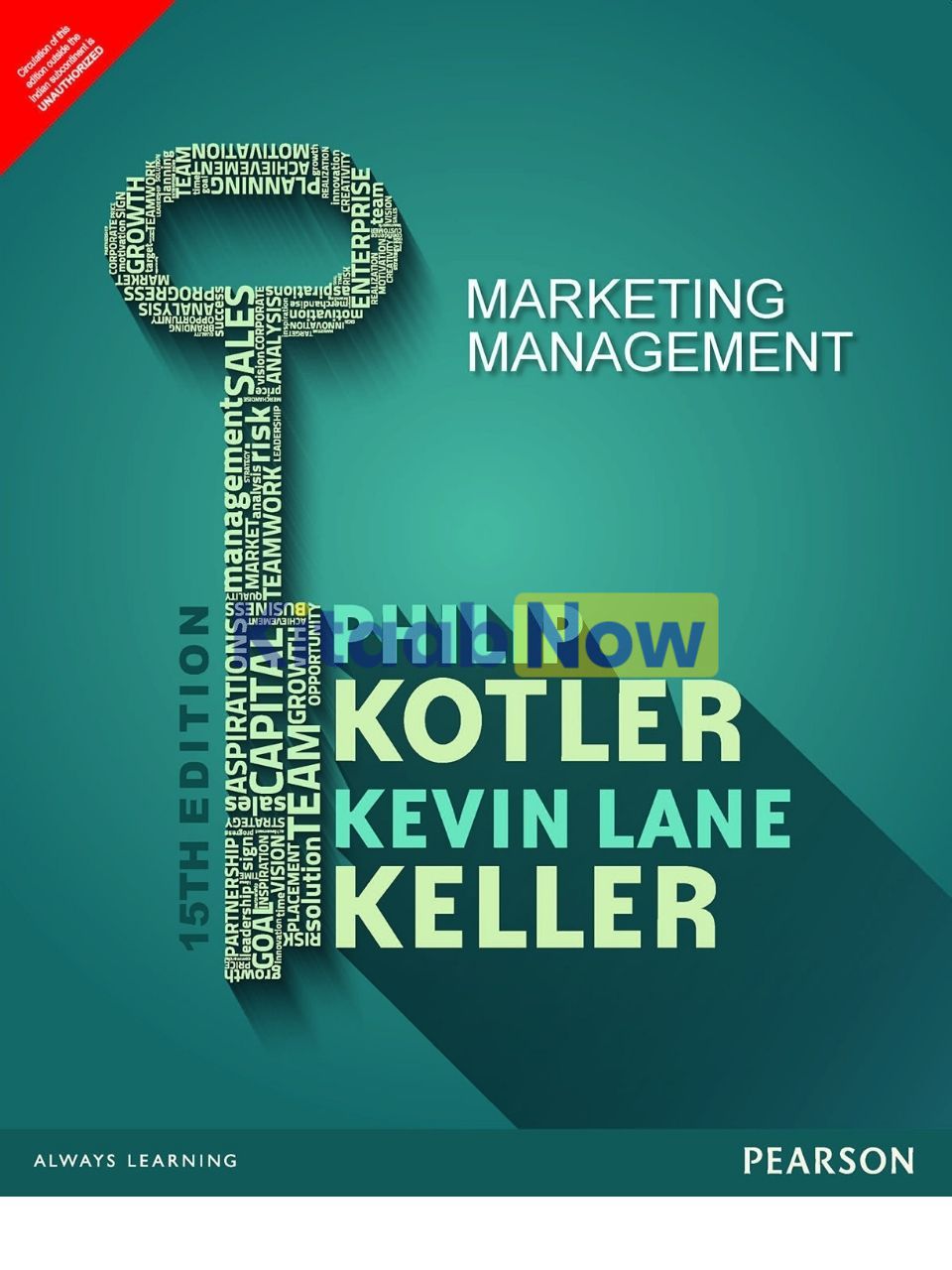
Marketing Management (15th Edition)
$ 7.50 -
 Sold Out!
ISE Life: The Essentials of Human Development
$ 66.17 -

Modern Management Concepts and Skills (14th Edition)
$ 9.28